



The Hidden Risks of Avoiding Activity — and How to Stay Safe While Moving
Thu, Jan 1st, 2026
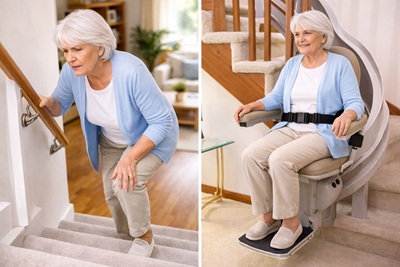
When movement becomes uncomfortable or difficult, many people instinctively start doing less. They sit more. They move slower. They avoid stairs, walks, and daily activities that once felt easy.
While this response is understandable, avoiding movement altogether can actually increase the risk of falls, injury, and loss of independence over time.
Staying active doesn’t mean pushing through pain or overexerting yourself. It means finding safe, supported ways to keep your body moving and knowing when the right mobility tools can help rather than hinder.
Why People Start Avoiding Movement
People reduce activity for many reasons, including:
- Fear of falling
- Joint pain or stiffness
- Fatigue or shortness of breath
- Balance concerns
- Chronic conditions like arthritis, neuropathy, or heart disease
- A previous fall or injury
Often, movement becomes associated with risk instead of health. Unfortunately, this mindset can quietly lead to a cycle of decline.
What Happens When You Stop Moving?
Avoiding activity doesn’t just affect muscles—it impacts nearly every system in the body.
1. Muscle Weakness and Loss of Balance
Muscles need regular use to stay strong. When activity decreases:
- Leg and core muscles weaken
- Balance reactions slow down
- Standing and walking become more unstable
Ironically, less movement can make falls more likely, not less.
2. Joint Stiffness and Increased Pain
Joints rely on movement to stay lubricated. Without regular motion:
- Stiffness increases
- Range of motion decreases
- Pain can actually worsen, especially with arthritis
Gentle movement often reduces pain over time, even when it feels counterintuitive at first.
3. Reduced Confidence and Independence
When people avoid movement, confidence often drops:
- Everyday tasks feel harder
- Fear of falling increases
- Dependence on others grows
This emotional impact can be just as limiting as physical changes.
The Goal Isn’t “More Exercise” — It’s Safer Movement
Staying active doesn’t mean intense workouts or long walks. For many people, it simply means moving safely, consistently, and with the right support.
Safe movement focuses on:
- Stability
- Confidence
- Reducing strain
- Preventing falls
Simple Ways to Stay Safely Active at Home
1. Keep Daily Movement Predictable
Short, consistent movement is better than occasional bursts:
- Standing up every 30–60 minutes
- Walking short distances several times a day
- Gentle stretching while seated
Predictable movement builds confidence and reduces fear.
2. Improve the Home Environment
Many falls happen because the home isn’t set up for safe movement.
Helpful changes include:
- Removing loose rugs and clutter
- Improving lighting, especially at night
- Installing grab bars in bathrooms
- Adding handrails or stair assistance
These adjustments make movement safer and less intimidating.
3. Choose Supportive Footwear
Shoes matter more than many people realize:
- Avoid slippery soles
- Choose shoes with good traction
- Skip loose slippers or socks on smooth floors
Proper footwear alone can significantly reduce fall risk.
When Mobility Aids Help — Not Hurt
One common misconception is that using a mobility aid means “giving up.” In reality, the right equipment often prevents decline and keeps people active longer.
Mobility aids can:
- Improve balance
- Reduce fatigue
- Increase confidence
- Encourage more frequent movement
The key is choosing the right tool at the right time.
Using Equipment to Support Safe Activity
Walkers and Rollators Helpful for individuals who:
- Feel unsteady when walking
- Tire easily
- Need added balance support
A properly fitted device can encourage walking instead of avoidance.
Stair Lifts and Home Access Solutions
Stairs are a major reason people stop using parts of their home.
Stair assistance can:
- Reduce fall risk
- Allow continued use of multi-level homes
- Preserve independence without relocation
Avoiding stairs often leads to reduced activity overall.
Grab Bars and Transfer Aids
Simple additions like grab bars:
- Make standing and sitting safer
- Encourage independent bathroom use
- Reduce fear during daily routines
Small supports often make the biggest difference.
The Role of Chronic Conditions
Many chronic conditions increase the temptation to avoid movement, including:
- Arthritis
- Diabetes and neuropathy
- Heart or lung disease
- Neurological conditions
While limitations are real, complete inactivity usually worsens symptoms. Safe movement—adapted to the condition—often improves circulation, joint health, and overall function.
Consulting with healthcare providers and mobility specialists can help determine appropriate supports.
Staying Active Without Overdoing It
Safe activity should:
- Feel manageable
- Be pain-aware, not pain-free
- Prioritize balance and control
- Include rest as needed
Warning signs to stop and reassess include:
- Dizziness
- Sharp or worsening pain
- Shortness of breath
- Feeling unsteady
Listening to your body is part of moving safely.
How Bell House Medical Can Help
At Bell House Medical, we understand that mobility is not one-size-fits-all. Staying active safely often requires the right combination of equipment, home modifications, and guidance.
Our goal is to help individuals:
- Move with confidence
- Reduce fall risk
- Stay independent longer
- Feel supported, not restricted
Movement doesn’t have to mean risk—and avoiding movement doesn’t have to be the answer.
Avoiding activity may feel safer in the short term, but over time it often increases the very risks people are trying to avoid. With the right supports in place, safe movement can protect strength, balance, confidence, and independence.
If you or a loved one is moving less due to fear, discomfort, or uncertainty, it may be time to explore solutions that make movement safer—not something to avoid.
Visit our showroom in Lewes today and test out some mobility devices to help decide which is best for you!