



Why Dizziness Is So Common in Older Adults and Why It Shouldn’t Be Ignored
Fri, Oct 9th, 2026
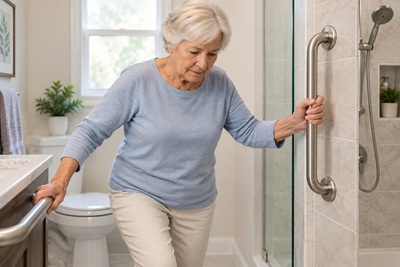
Feeling dizzy occasionally may not seem like a major concern. You stand up too quickly, feel a little lightheaded, reach for something nearby, and within a few seconds you feel fine again.
For older adults, however, recurring dizziness or unsteadiness deserves attention. Dizziness can have many causes, and even when the cause is relatively minor, the consequences may not be. A few seconds of feeling lightheaded or off-balance can be enough to cause a fall especially in a bathroom, on stairs, or while moving through the home.
Dizziness should not simply be accepted as a normal part of getting older. Understanding what may be causing it, discussing symptoms with a healthcare provider, and making practical changes to the home can help older adults remain safer, more confident, and more independent.
What Does “Dizzy” Really Mean?
People use the word “dizzy” to describe several different sensations.
Some experience vertigo, which can make it feel as though they or the room around them are spinning. Others feel lightheaded, weak, unsteady, or as though they might faint. A person may not describe feeling dizzy at all but instead notice that walking has become less steady or that they frequently reach for furniture or walls for support.
The distinction matters because different sensations can have different causes.
Older adults may also have more than one factor contributing to dizziness or balance problems. Changes in vision, strength, medications, blood pressure, hydration, and the inner ear can sometimes combine to make a person less steady than they once were.
Common Causes of Dizziness in Older Adults
There is no single explanation for dizziness. Some common possibilities include:
Changes in blood pressure. Some people experience a drop in blood pressure when moving from lying or sitting to standing. This can cause temporary lightheadedness, weakness, or even fainting.
Inner-ear problems. The inner ear plays an important role in balance. Conditions affecting the inner ear can cause vertigo and make standing or walking difficult.
Medication side effects. Many older adults take multiple medications. Certain medications or combinations of medications can contribute to dizziness, drowsiness, or changes in blood pressure.
Dehydration. Not drinking enough fluids may contribute to weakness and lightheadedness, particularly in older adults.
Vision changes. We rely heavily on vision to navigate our surroundings. Changes in depth perception or visual clarity can make maintaining balance more difficult.
Dizziness can also be associated with other medical conditions, so new, persistent, worsening, or unexplained dizziness should be discussed with a healthcare professional.
The Bigger Concern: What Happens When Dizziness Strikes?
Imagine becoming dizzy while sitting safely on the sofa. You can remain seated and wait for the sensation to pass.
Now imagine the same episode occurring while stepping out of the shower, walking down the stairs, getting out of bed, or standing up from the toilet.
Suddenly, a few seconds of dizziness can become much more serious.
This is why addressing the medical cause is only one part of the solution. The home environment matters, too.
A person cannot always predict when dizziness, weakness, or loss of balance will occur. But the home can be modified so secure support is available when it is needed.
Why Bathrooms Deserve Special Attention
Bathrooms can be particularly challenging for anyone experiencing dizziness or balance problems.
During a shower, a person may turn quickly, tilt the head backward to rinse shampoo, close their eyes while washing their face, bend down, or step across a tub or shower threshold. Add water and slippery surfaces, and there is little room for error when balance suddenly changes.
Simply telling an older adult to “be careful” isn't enough. Being careful doesn't provide physical support when someone suddenly becomes unsteady.
This is where professionally installed grab bars can make an important difference.
Grab bars positioned near the toilet, shower, or bathtub provide a secure place to hold during transfers and everyday activities. Unlike towel bars or shower doors, properly installed grab bars are specifically designed to provide support.
Bell House Medical's Master Grab Bar services help homeowners determine appropriate grab-bar locations and provide professional installation so the bars are positioned where they are actually useful.
Look Beyond the Bathroom
The bathroom may be an obvious concern, but dizziness can create challenges throughout the home.
Stairs can become particularly difficult because they require balance, strength, coordination, and depth perception. Someone who suddenly feels lightheaded halfway up or down a staircase needs dependable support.
Entrances can present similar problems. Steps, thresholds, uneven surfaces, and changes in elevation may become increasingly difficult for someone with balance or mobility limitations.
Depending on an individual's needs and home layout, solutions such as handrails, ramps, stair lifts, or other accessibility modifications may make entering and moving through the home safer and easier.
Bell House Medical works with individuals and families to identify accessibility solutions that match the person's abilities and the home's specific challenges.
Mobility Equipment Can Provide Additional Support
Sometimes the problem extends beyond one particular area of the house.
A person who has begun holding onto furniture while walking may benefit from having their mobility evaluated by an appropriate healthcare professional. When recommended, mobility equipment such as a cane, walker, rollator, or wheelchair may provide greater stability and allow a person to continue participating in everyday activities.
The goal isn't simply to add equipment. It's to provide the right support for the individual.
Bell House Medical provides durable medical and mobility equipment that can help older adults remain active while accommodating changes in strength, balance, endurance, or mobility.
Don't Let Fear Lead to Less Activity
After experiencing dizziness or a near-fall, some older adults become afraid of falling and begin limiting their activity. That reaction is understandable, but becoming increasingly sedentary can create another problem. Reduced activity can contribute to loss of strength and endurance, potentially making everyday movement even more difficult.
The better approach is to determine why the dizziness is occurring, follow appropriate medical recommendations, and create an environment that supports safe activity.
A well-placed grab bar, easier bathroom access, appropriate mobility equipment, or a safer way to navigate steps may provide the extra support someone needs to continue doing things independently.
Know When Dizziness Needs Immediate Attention
While many causes of dizziness are not emergencies, sudden or severe dizziness can sometimes indicate a serious medical problem.
Seek prompt medical attention when dizziness occurs with symptoms such as fainting, chest pain, severe headache, difficulty speaking, sudden weakness or numbness, vision changes, confusion, or difficulty walking.
Recurring or unexplained dizziness should also be discussed with a healthcare provider, even when symptoms seem mild.
Making the Home Part of the Solution
Medical care can help determine why someone is experiencing dizziness. Home modifications can help address what happens if that dizziness occurs during everyday life.
At Bell House Medical – Home of Master Grab Bar, helping people remain safe and independent at home is a central part of what we do. From professionally installed grab bars and bathroom safety solutions to ramps, stair solutions, mobility equipment, and other accessibility products, we help families adapt homes to changing needs.
You don't have to wait until after a fall to start thinking about safety.
If you or someone you love has begun experiencing dizziness, balance problems, or changes in mobility, take a fresh look around the home. Notice where they reach for support, which activities have become difficult, and where a brief loss of balance could have serious consequences.
Sometimes relatively simple changes can provide an important extra layer of protection and help an older adult continue living safely and confidently at home.
Bell House Medical Lewes, Delaware
302-644-4404