


The Hidden Danger of “I’m Fine”: Why Many Seniors Wait Too Long to Make Home Safety Changes
Wed, Jun 3rd, 2026
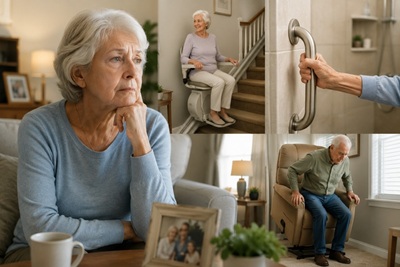
One of the most common phrases heard by family members, caregivers, and healthcare professionals is, “I’m fine.” While that statement may come from a place of pride, independence, or a desire not to worry loved ones, it can sometimes hide a growing problem. Many older adults begin adapting to physical challenges long before they acknowledge them. They may avoid certain activities, stop using parts of their home, or develop workarounds that seem harmless but actually increase their risk of injury.
The reality is that waiting too long to make home safety improvements can have serious consequences. The good news is that many falls and injuries can be prevented with simple changes that help older adults remain safe, independent, and comfortable in their own homes.
The Slow Changes We Often Don’t Notice
Most mobility challenges don’t appear overnight. Instead, they develop gradually.
A person who once walked confidently up and down stairs may begin taking them more slowly. Someone who never thought twice about stepping into the shower may start feeling a little unsteady. Getting up from a favorite chair may require an extra push from the armrests.
Because these changes happen slowly, they can be easy to dismiss.
Many seniors continue to tell themselves:
- “I’m just being careful.”
- “Everyone slows down with age.”
- “I don’t need any special equipment.”
- “I’ll deal with it later.”
Unfortunately, “later” sometimes arrives in the form of a fall or injury.
Common Warning Signs
Many people think mobility equipment is only for individuals with severe limitations. In reality, the best time to improve home safety is before a major problem occurs.
Here are some warning signs that should not be ignored:
Holding Onto Furniture
Do you find yourself reaching for countertops, tables, or walls while walking through your home? This is often one of the earliest signs that balance is becoming more challenging.
Avoiding Stairs
Many older adults begin limiting trips upstairs or downstairs without consciously realizing it. You may find yourself:
- Leaving items at the bottom of the stairs
- Making fewer trips between floors
- Sleeping in a different room to avoid stairs
Difficulty Standing Up
Getting out of a recliner, sofa, or dining chair should not require a significant amount of effort. If standing up has become difficult, it may be time to explore solutions that can reduce strain and improve safety.
Fear of Falling
Sometimes the biggest warning sign isn’t physical it’s emotional. If you feel nervous walking across wet surfaces, stepping into the shower, or navigating stairs, your confidence may already be telling you something important.
Avoiding Activities You Once Enjoyed
Many older adults quietly stop participating in activities they love because accessibility has become a challenge. That might include:
- Gardening
- Visiting friends
- Going outside
- Using a second floor
- Entertaining family
When mobility limitations begin affecting quality of life, it’s time to take action.
Why Waiting Can Be Risky
Falls remain one of the leading causes of injury among older adults. According to the CDC, simple home modifications and safety improvements can play an important role in reducing fall risk and helping seniors maintain independence.
Unfortunately, many people wait until after a fall to make changes.
After a serious fall, recovery can be lengthy and difficult. Even when physical injuries heal, many individuals experience a lasting loss of confidence.
This fear can lead to:
- Reduced activity levels
- Social isolation
- Loss of strength
- Increased dependence on others
The goal is not simply preventing injury it’s preserving confidence and independence.
Small Changes Can Make a Big Difference
The good news is that improving home safety doesn’t always require major renovations. In many cases, relatively simple modifications can dramatically improve safety and accessibility.
Grab Bars
Grab bars provide stability in areas where slips and falls are most common, including bathrooms and entryways. Modern grab bars come in a variety of styles and finishes that blend beautifully with home décor.
Stairlifts
For many homeowners, stairs become one of the biggest obstacles to aging safely at home. A stairlift allows individuals to continue using all levels of their home while reducing the risk of falls and eliminating the physical strain of climbing stairs.
Vertical Platform Lifts
For individuals who use wheelchairs, scooters, or walkers, a vertical platform lift can provide safe access to porches, decks, garages, and entryways.
Lift Chairs
Standing from a seated position can become increasingly difficult over time. Lift chairs gently assist users into a standing position while providing comfort and support throughout the day.
Ramps and Accessibility Solutions
Even a single step can become a major barrier for someone with limited mobility.
Accessibility solutions can make entering and leaving the home safer and easier for both residents and caregivers.
Independence Is the Goal
One of the biggest misconceptions about mobility equipment is that it represents a loss of independence.
In reality, the opposite is often true.
A stairlift can help someone continue using their entire home.
A lift chair can make it easier to stand without assistance.
A vertical platform lift can provide access to outdoor spaces that might otherwise become inaccessible.
These solutions are designed to help people maintain their independence not lose it.
A Better Question Than “Am I Fine?”
Instead of asking, “Am I fine?” consider asking:
- Am I moving through my home safely?
- Have I changed my routine to avoid certain areas?
- Am I holding onto furniture for support?
- Do I worry about falling?
- Could a simple modification make daily life easier?
These questions often reveal concerns that might otherwise go unnoticed.
Don’t Wait for a Fall
The best time to improve home safety is before an accident happens.
Making proactive changes today can help prevent injuries tomorrow while allowing you or a loved one to continue enjoying the comfort and familiarity of home.
At Bell House Medical, we believe that accessibility is about more than equipment it’s about preserving independence, confidence, and quality of life.
If you or a loved one has started saying “I’m fine” while quietly struggling with stairs, standing, or mobility challenges, now may be the perfect time to explore solutions that make life safer and easier.
Sometimes the smallest changes can make the biggest difference.