


Why Do Seniors Start Avoiding the Shower? (And What Families Often Miss at First)
Tue, May 12th, 2026
For many families, it starts subtly. Maybe your parent begins skipping showers more often. Maybe they say they already showered when they didn’t. Maybe they suddenly prefer sponge baths, avoid washing their hair, or seem anxious when it’s time to step into the bathroom.
At first, it may seem like a simple preference change or part of aging. But in many cases, shower avoidance is actually a warning sign.
For older adults, the bathroom can become one of the most physically and emotionally stressful areas in the home. Fear of falling, weakness, balance problems, arthritis, and difficulty stepping over a tub wall can all turn a once-simple daily task into something frightening.
The good news is that there are often practical solutions that can restore confidence, safety, and independence.
Fear of Falling Is Very Real
One of the biggest reasons seniors begin avoiding the shower is fear of falling.
Bathrooms are full of hard surfaces, slippery floors, wet conditions, and tight spaces. Even older adults who seem fairly independent may quietly feel nervous about losing their balance while stepping into the tub or standing in the shower.
Many seniors never openly admit this fear. Instead, they may:
- Delay bathing
- Rush through showers
- Hold onto unstable towel bars
- Avoid washing certain areas
- Wait until another person is nearby
- Become anxious or irritable around bathing routines
Unfortunately, falls in the bathroom can lead to serious injuries, hospitalizations, and loss of independence.
Stepping Over a Tub Wall Can Become Difficult
A traditional bathtub may not seem like a problem until mobility changes begin.
Lifting one leg high enough to step over the tub wall requires:
- Balance
- Strength
- Coordination
- Flexibility
As people age, these movements can become harder due to:
- Arthritis
- Knee pain
- Hip problems
- Muscle weakness
- Neuropathy
- Joint stiffness
- Recovery from surgery
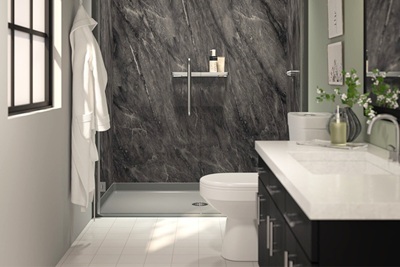
Even a small loss of balance while stepping into or out of the tub can create a dangerous situation. This is one reason many families eventually decide to replace an old tub with a safer easy walk-in shower system.
The Emotional Side of Shower Avoidance
There is also an emotional side that families sometimes miss.
Many older adults feel embarrassed admitting they need help in the bathroom. Others fear losing independence or becoming a burden to family members.
Instead of saying, “I’m afraid I’ll fall,” they may simply stop showering as often.
Some seniors become frustrated or defensive when family members bring up hygiene concerns because the issue feels deeply personal and emotional.
Approaching the conversation gently and without shame is important. In many cases, making the bathroom safer can dramatically reduce anxiety and restore confidence.
Warning Signs Families Should Watch For
Shower avoidance is not always obvious at first.
Some signs may include:
- Showering less frequently
- Hesitation entering the bathroom
- Complaints about dizziness or weakness
- Holding onto walls or towel bars
- Difficulty stepping into the tub
- Increased body odor or hygiene changes
- Fearful behavior during bathing
- Wet floors from unstable movement
- Needing frequent assistance getting in or out
If you notice these signs, it may be time to evaluate bathroom safety before a fall occurs.
Small Bathroom Changes Can Make a Big Difference
In some situations, simple modifications can greatly improve safety and confidence.
Helpful solutions may include:
- Professionally installed grab bars
- Non-slip flooring
- Handheld shower heads
- Shower seating
- Raised toilet systems
- Better lighting
- Tub transfer benches
However, for many seniors, the biggest improvement comes from removing the traditional tub entirely and replacing it with a safer, easier walk-in shower.
Why Walk-In Showers Are Becoming So Popular
Walk-in showers have become one of the most requested bathroom upgrades for aging adults — and for good reason. Unlike traditional tubs, walk-in showers are designed with accessibility and safety in mind.
Benefits may include:
- Easier entry and exit
- Reduced fall risk
- More room to move safely
- Compatibility with shower seating
- Easier caregiver assistance if needed
- Improved comfort and confidence
- Modern, updated appearance
For many seniors, simply removing the need to climb over a tub wall can dramatically reduce fear and make showering feel manageable again.
Bell House Medical Can Help Create a Safer Bathroom
At Bell House Medical, we understand how important bathroom safety becomes as mobility changes with age.
Our team helps families create safer, more accessible bathrooms designed to support independence and reduce fall risk.
In many cases, we can remove an old traditional tub and install a new easy-access walk-in shower that is safer and easier to use. We also provide professionally installed grab bars and other accessibility solutions to help make daily routines more comfortable and secure.
Every home and every situation are different. That’s why we work closely with families to find practical solutions that fit both safety needs and lifestyle preferences.
Safety Improvements Can Help Preserve Independence
Many families wait until after a fall to make bathroom safety changes.
But proactive modifications often help seniors remain independent longer and reduce daily stress for everyone involved.
Something as simple as a safer shower setup can:
- Increase confidence
- Reduce caregiver worry
- Encourage better hygiene routines
- Improve comfort
- Support aging in place
Most importantly, it can help older adults feel safer in their own home again.
If an aging parent or loved one has started avoiding the shower, it’s important not to ignore the signs.
What may appear to be stubbornness or forgetfulness is often rooted in fear, discomfort, or physical difficulty.
The bathroom should not feel dangerous.
With the right safety modifications including grab bars, accessibility upgrades, or a modern easy walk-in shower many seniors can regain confidence and continue living more safely and independently.
To learn more about bathroom safety solutions and walk-in shower options, contact Bell House Medical today.